


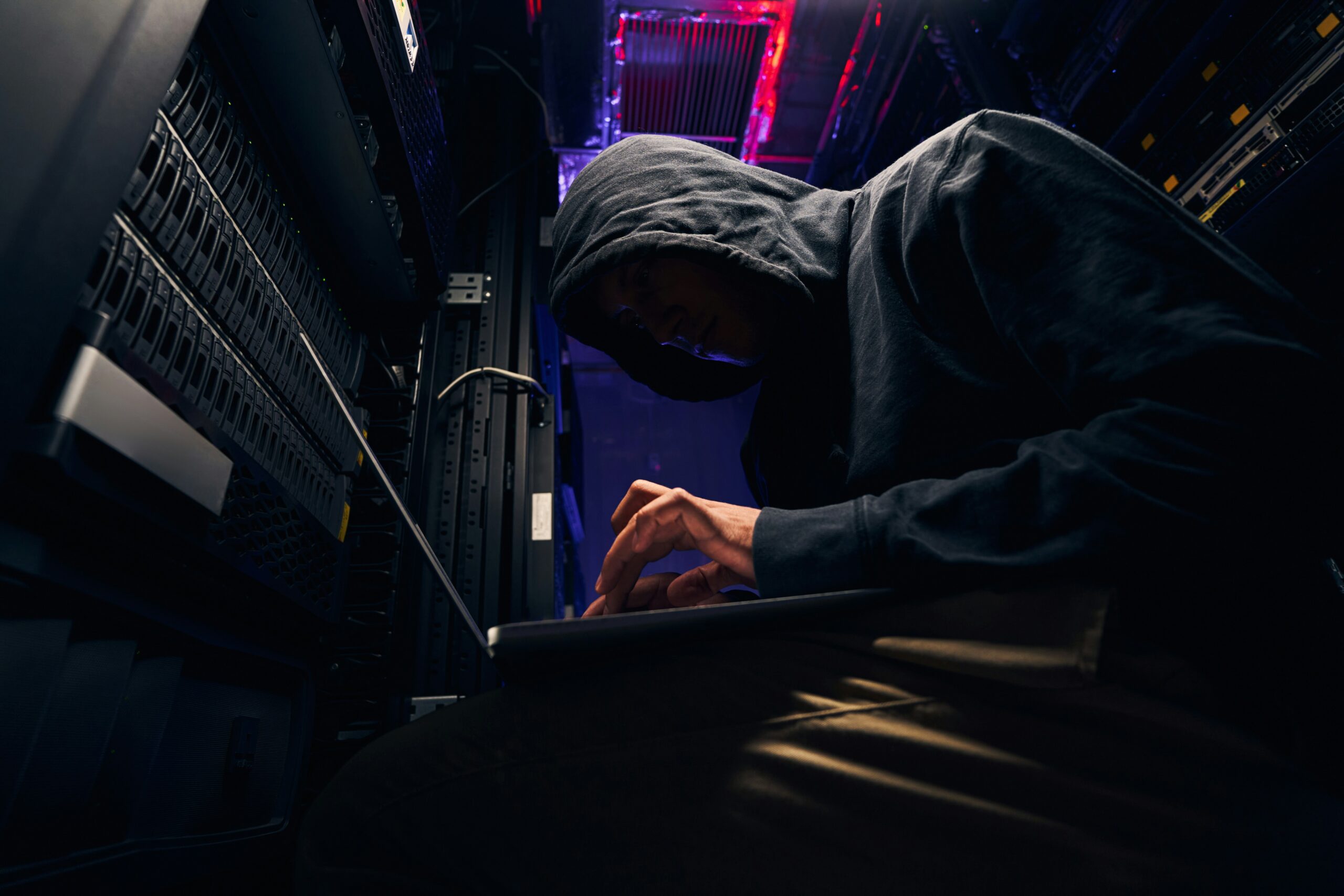
Cyber attacks are a growing threat to businesses and individuals alike, with new tactics emerging every year. Understanding the most common types of cyber attacks can help you recognise vulnerabilities and take steps to protect your data.
Every technique has different hazards that might result in data breaches, monetary loss, and harm to your business’s reputation, ranging from ransomware and DDoS attacks to phishing and malware.
There are five industries that are most at risk for cyber attacks and it is these industries that need to ensure they have the right business cybersecurity arrangements in place to reduce these risks. These industries include healthcare, manufacturing, digital agencies, tech companies, and retail and e-commerce. So, if you own a business or work for a business in this industry, make sure that their security is up-to-date and robust.
The country with the best cyber security is Finland. However, Norway and Denmark also have the same cyber safety score as Finland. These scores showcase how robust their cyber security is and all three of these countries scored the same.
Bolivia is number one on the list of countries that are at a higher risk for cyber attacks. Honduras, Venezuela, and Algeria follow Bolivia and are also ranked as countries with a higher risk for cyber attacks.
As mentioned, cyber attacks are a growing threat to businesses of all sizes. From phishing attacks to malware, businesses should have knowledge of all the different threats that lurk in the digital world. Here are the top 5 cyber attacks to look out for:
Phishing attacks are the number one most common cyber threat facing UK businesses today.
Cyber-criminals are getting more efficient at it too since they have bigger and better technology at their fingertips which means resources to run scams more effectively, with more volume, and across multiple platforms.
These attacks fall into a few broad types and usually take place over email or instant messaging. To recognize phishing assaults in the wild, it helps to familiarize yourself with some of these many attack vectors.
It’s an attempt to steal sensitive information like usernames, passwords, credit card numbers, bank account information or other important data in order to use or sell the stolen information.
Ransomware is a malware designed to deny a user or business access to files on their computer. Cybercriminals put individuals or organizations in a situation where paying the ransom is the simplest and least expensive option to recover access to their files after encrypting them and requesting payment for the decryption key.
Recent ransomware attacks have impacted hospitals’ ability to provide crucial services and crippled public services.
A denial-of-service (DoS) is a type of cyber-attack where hackers aim to render a computer or server unavailable to its owners.
DoS attacks operate by overloading the device’s regular operations, bombarding the target with requests until the system is unable to function any more and the service is “denied” or shut down.
This is a type of cyber attack where hackers impersonate a trusted individual in order to steal money or sensitive data from a business. These attacks are usually carried out by cyber-criminals specifically targeting high-ranking executives in order to breach data, steal login credentials, or transfer money into a fake account.
Malware, short for “malicious software,” is any intrusive or dangerous program created by cyber criminals with the intent to steal data, injure or destroy computer systems and infrastructure, or hold people or organizations hostage. Trojan viruses, RATs, worms, viruses, spyware, adware, and ransomware are a few types of popular malware.
Cyber attacks are a growing threat to businesses and individuals, with new tactics emerging every year. Understanding the most common types of cyber attacks can help you recognize vulnerabilities and take steps to protect your data.
There are five industries that are most at risk for cyber attacks: healthcare, manufacturing, digital agencies, tech companies, and retail and e-commerce. It is crucial for businesses in these industries to have the right cybersecurity arrangements in place to reduce these risks.
Finland, Norway, and Denmark have the best cyber security scores, showcasing the robustness of their cybersecurity measures. On the other hand, Bolivia, Honduras, Venezuela, and Algeria are ranked as countries with a higher risk for cyber attacks.
Phishing attacks are the most common cyber threat facing UK businesses today. Cyber criminals are becoming more efficient at phishing attacks, using advanced technology to run scams more effectively. Ransomware, denial of service attacks, impersonation, and malware are also top cyber threats to be aware of.
It is important for businesses of all sizes to be aware of these cyber threats and take steps to protect their data and systems from potential attacks. Stay informed and implement robust cybersecurity measures to safeguard your business from cyber attacks.

